The Museum of Plant Art has developed through a series of exhibitions that investigate plant perception and non-human forms of aesthetic agency, while also experimenting with sustainable materials and sensory modes of display. Its inaugural exhibition, presented at the Chapelle des Cordeliers in Toulouse from October to November 2023, explored the visual, auditory and olfactory worlds that wildflowers create for pollinators. Through an immersive installation combining a wooden structure, plant-based iridescent cellulose developed at the University of Cambridge, bespoke scents and a commissioned soundscape evoking the vibrations co-produced by flowers and pollinators, the project invited audiences to consider flower–pollinator interactions as aesthetic experiences in their own right. In doing so, the Museum established a more-than-human approach to artistic agency, shifting attention away from human perception and towards the sensory worlds and communicative strategies of other species. A publication by Filigranes Editions and a day conference at the Museum of Contemporary Art Les Abattoirs in Toulouse accompanied this first exhibition.
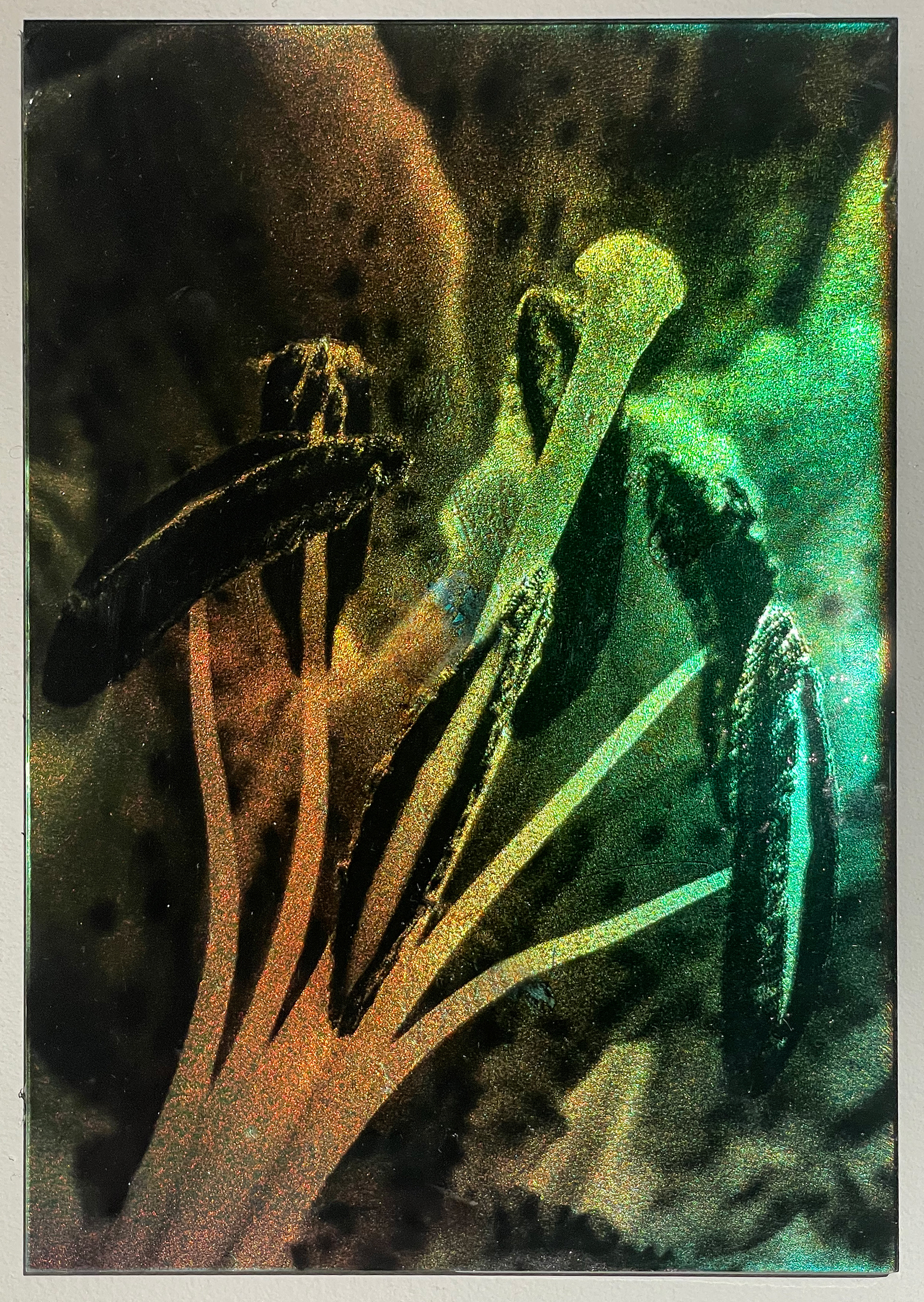
The Museum of Plant Art research was developed further in the exhibition at the Maison Européenne de la Photographie in Paris, from October 2024 to January 2025. Here, the Museum presented black-and-white photographs UV-printed directly onto glass and acrylic plates infused with nano-crystalline iridescent vegetal cellulose, provided by the University of Cambridge and its spin-off company Sparxell. Unlike conventional iridescent materials, which often rely on synthetic chemicals and inks, these surfaces generate their shimmering effects through plant-derived cellulose microcrystals, which are often found in flowers. The images on the iridescent plates were conceived to evoke the ways in which pollinators may perceive flowers, while large-scale black-and-white wall prints introduced shifts in scale and focal distance, from landscape views to abstract close-ups. Together, these elements created an installation concerned not only with how plants are seen, but with how they actively shape visual experience through their own structures and properties.
A selection of these iridescent works was subsequently presented at Saatchi Gallery in London as part of Flora — Flowers in Contemporary Culture, from February 2025 to September 2025. The installation continued to explore the complex visual relationship between flowers and their pollinators, using black-and-white imagery layered onto shimmering, plant-based surfaces to suggest forms of perception that differ from our own. By framing these interactions as aesthetic expressions generated within nature, the work asked viewers to reconsider flowers not simply as passive subjects of representation, but as active participants in the production of visual experience.
The Museum later took part in the second iteration of Science/Fiction: A Non-History of Plants at Foto Arsenal Wien, from October 2025 to January 2026, where a selection of the iridescent plates was shown alongside a large-format black-and-white wall print.
From June to November 2026, this strand of research continued in Living Mesh: A World Beyond Linnaeus at the Verwey Museum Haarlem, curated by Kim Knoppers. This last exhibition examined how nature has been seen, classified and organised across different historical periods, taking Carl Linnaeus’s taxonomic system as a point of departure and bringing together contemporary artists who challenge hierarchical and possessive ways of understanding the natural world. Within this context, the Museum of Plant Art presented a series of iridescent plates that foreground the creative capacities and intelligence of plants. The works propose that plants are not only represented within images but can also be understood as active producers of visual forms, structures and signals.
The Museum of Plant Art research was developed further in the exhibition at the Maison Européenne de la Photographie in Paris, from October 2024 to January 2025. Here, the Museum presented black-and-white photographs UV-printed directly onto glass and acrylic plates infused with nano-crystalline iridescent vegetal cellulose, provided by the University of Cambridge and its spin-off company Sparxell. Unlike conventional iridescent materials, which often rely on synthetic chemicals and inks, these surfaces generate their shimmering effects through plant-derived cellulose microcrystals, which are often found in flowers. The images on the iridescent plates were conceived to evoke the ways in which pollinators may perceive flowers, while large-scale black-and-white wall prints introduced shifts in scale and focal distance, from landscape views to abstract close-ups. Together, these elements created an installation concerned not only with how plants are seen, but with how they actively shape visual experience through their own structures and properties.
A selection of these iridescent works was subsequently presented at Saatchi Gallery in London as part of Flora — Flowers in Contemporary Culture, from February 2025 to September 2025. The installation continued to explore the complex visual relationship between flowers and their pollinators, using black-and-white imagery layered onto shimmering, plant-based surfaces to suggest forms of perception that differ from our own. By framing these interactions as aesthetic expressions generated within nature, the work asked viewers to reconsider flowers not simply as passive subjects of representation, but as active participants in the production of visual experience.
The Museum later took part in the second iteration of Science/Fiction: A Non-History of Plants at Foto Arsenal Wien, from October 2025 to January 2026, where a selection of the iridescent plates was shown alongside a large-format black-and-white wall print.
From June to November 2026, this strand of research continued in Living Mesh: A World Beyond Linnaeus at the Verwey Museum Haarlem, curated by Kim Knoppers. This last exhibition examined how nature has been seen, classified and organised across different historical periods, taking Carl Linnaeus’s taxonomic system as a point of departure and bringing together contemporary artists who challenge hierarchical and possessive ways of understanding the natural world. Within this context, the Museum of Plant Art presented a series of iridescent plates that foreground the creative capacities and intelligence of plants. The works propose that plants are not only represented within images but can also be understood as active producers of visual forms, structures and signals.
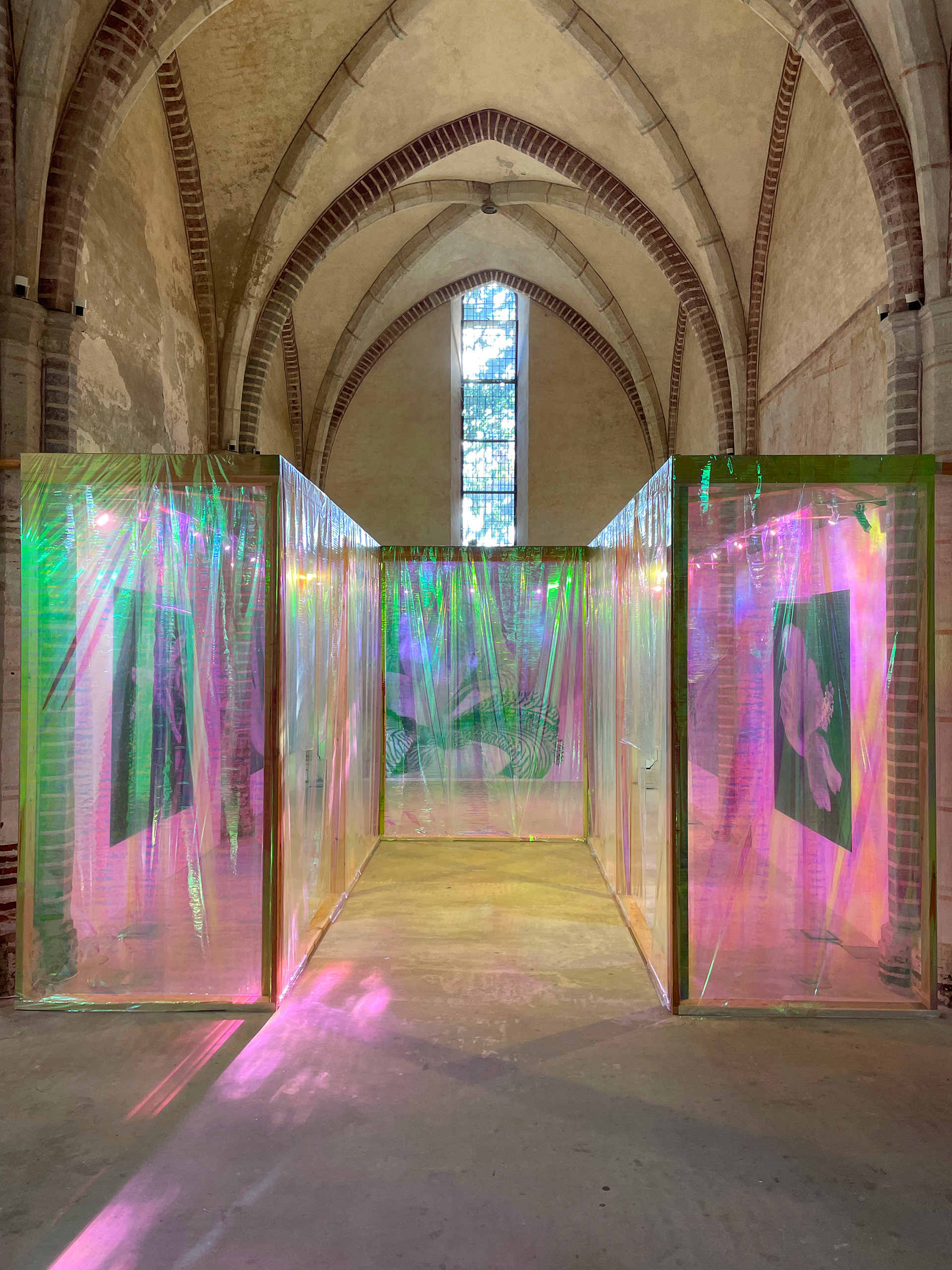
Chapelle des Cordeliers in Toulouse
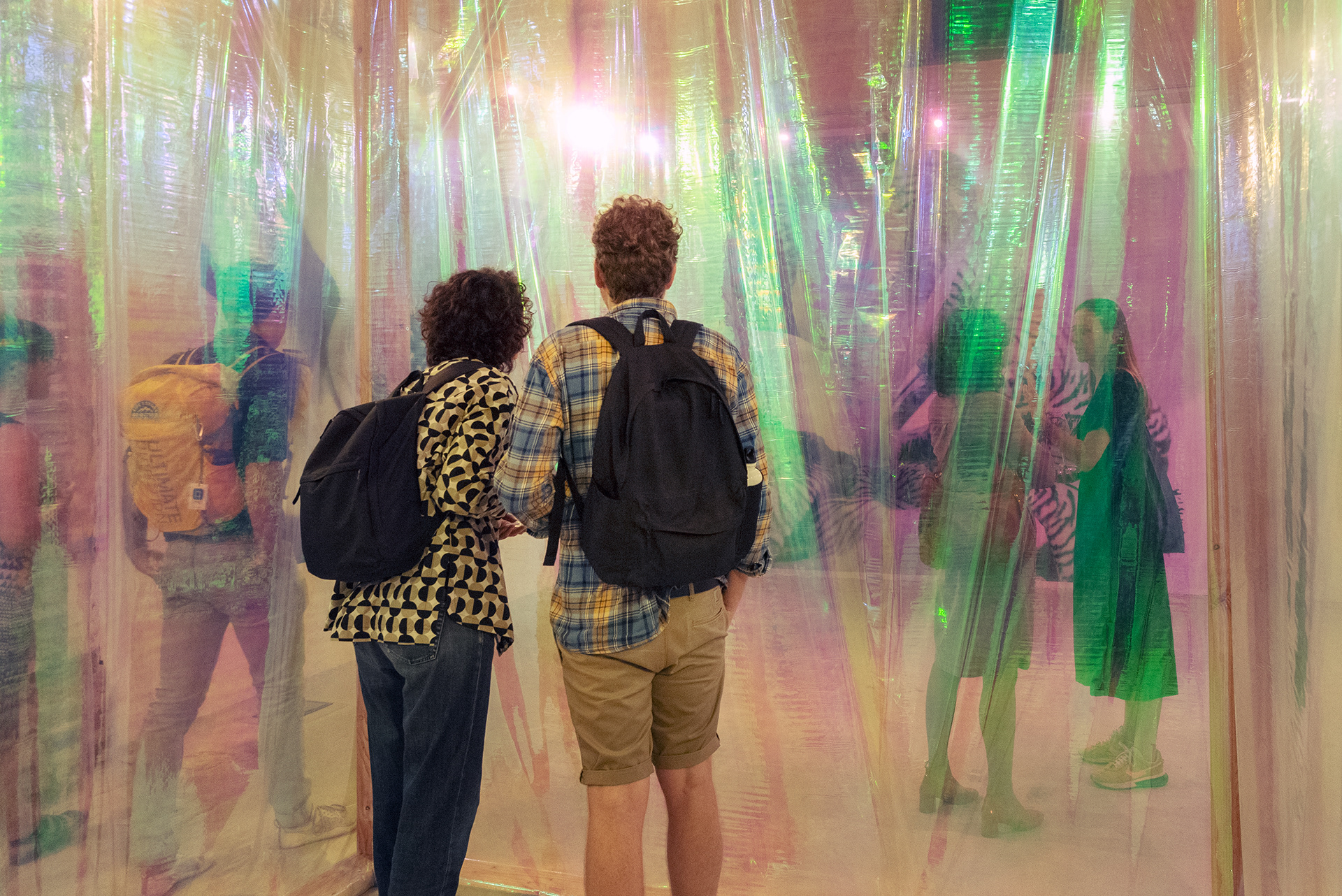
Chapelle des Cordeliers in Toulouse
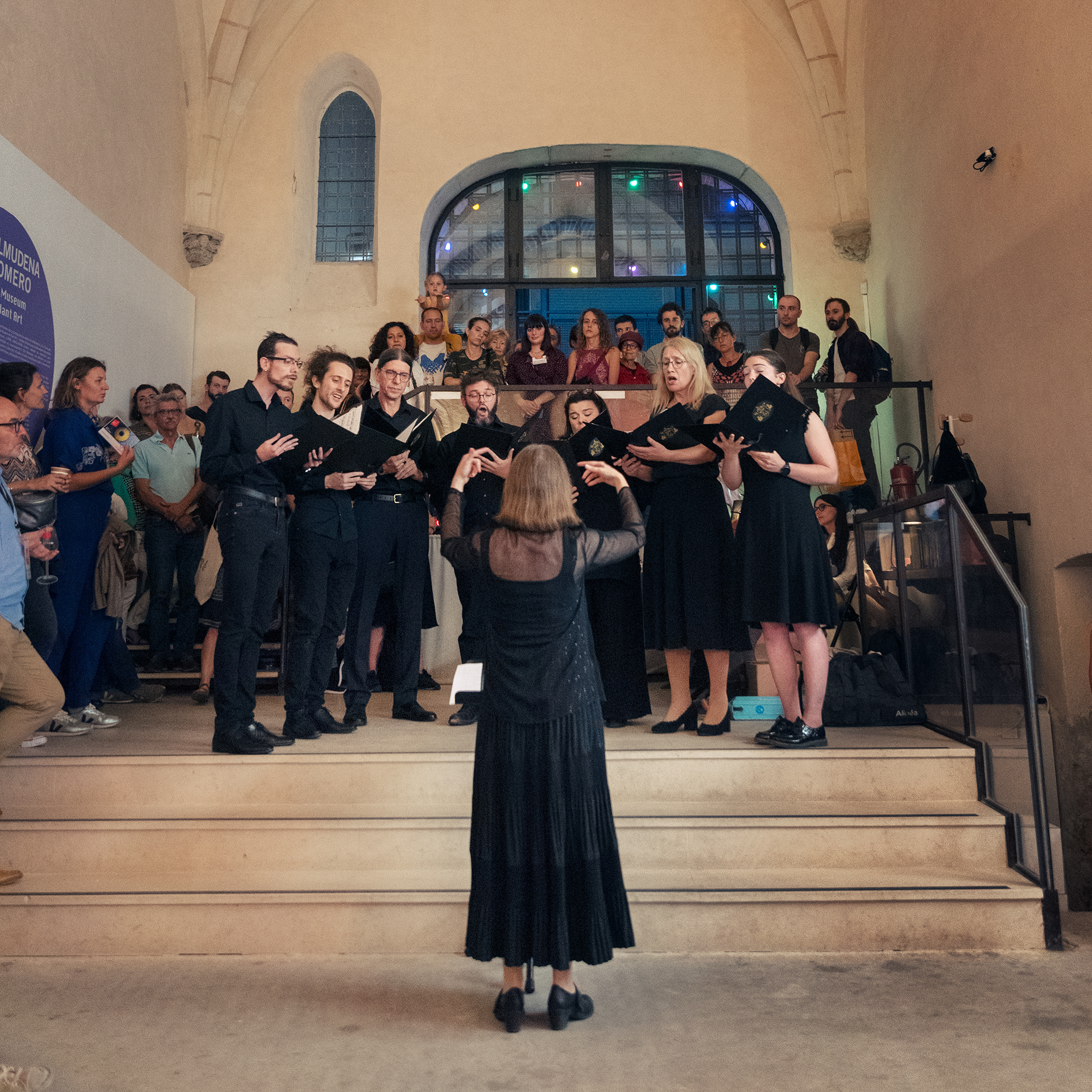
Chapelle des Cordeliers in Toulouse
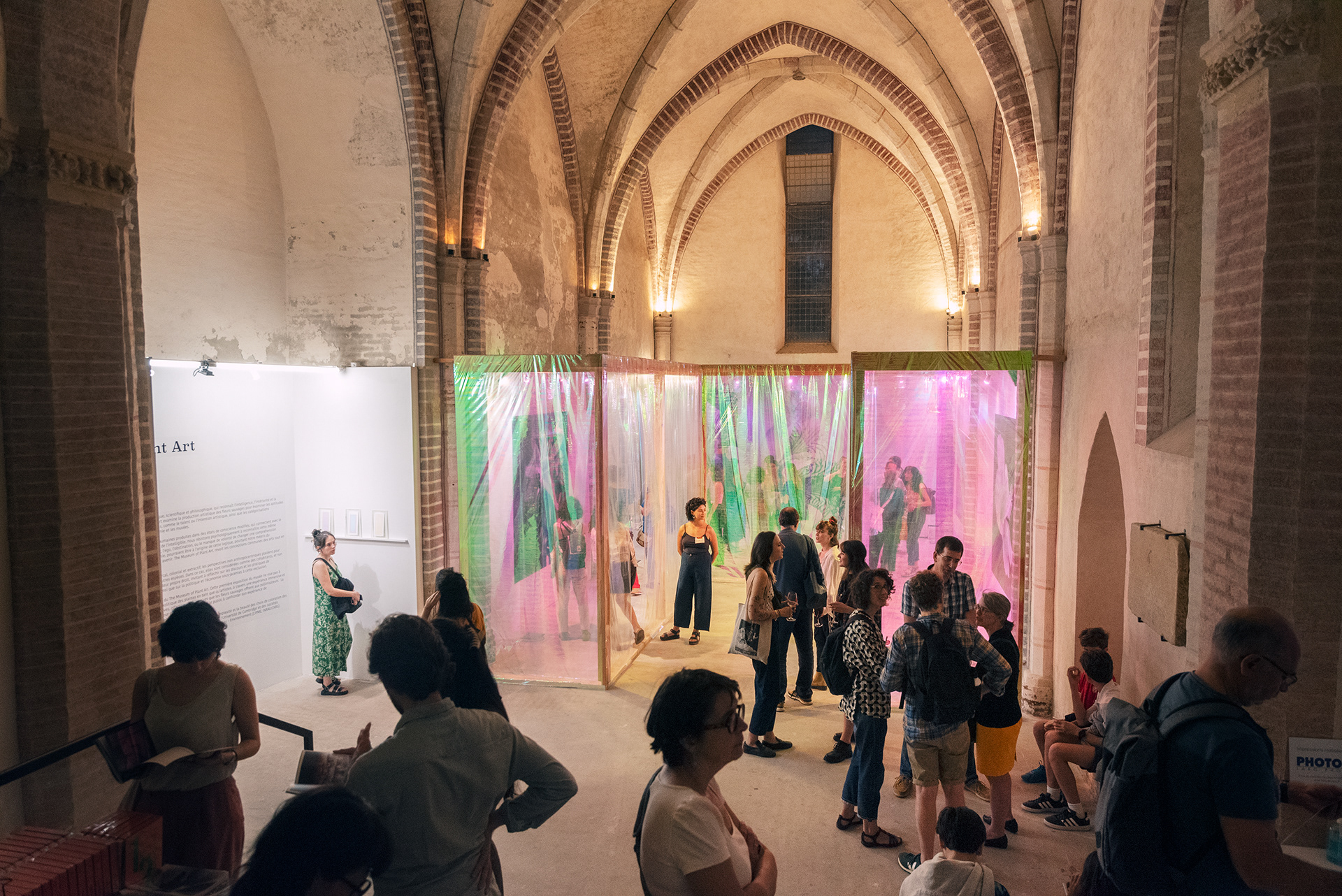
Chapelle des Cordeliers in Toulouse

Chapelle des Cordeliers in Toulouse
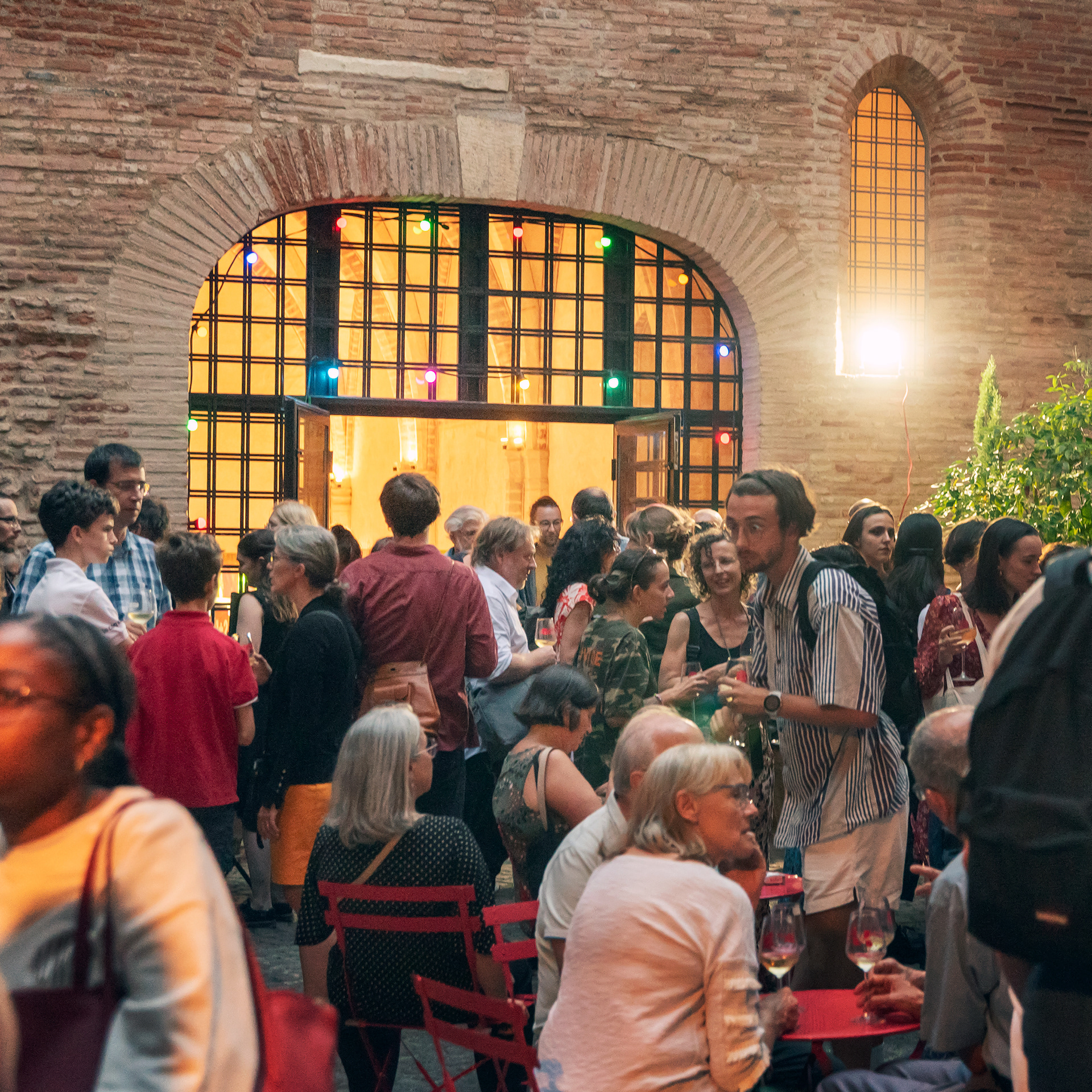
Chapelle des Cordeliers in Toulouse
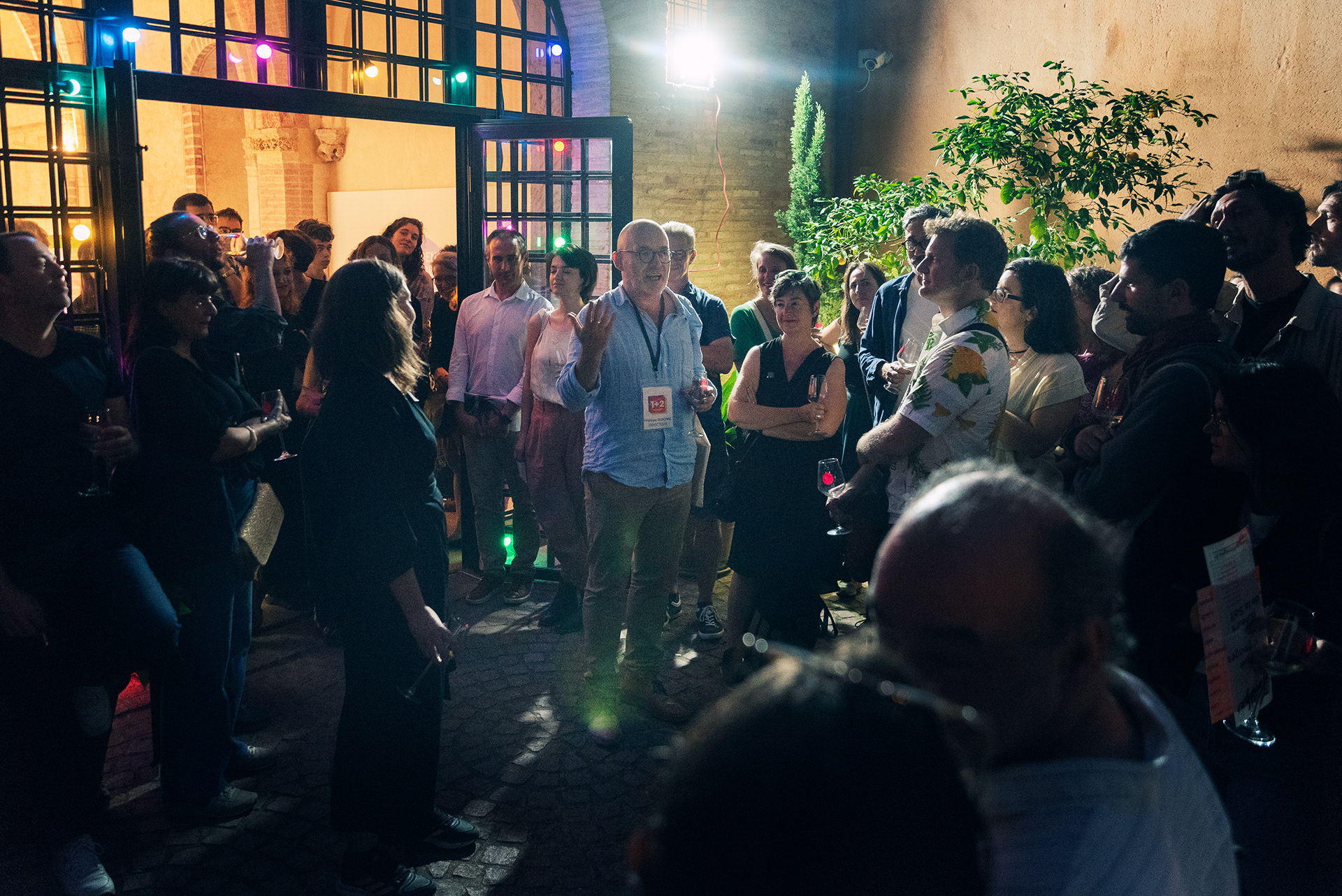
Chapelle des Cordeliers in Toulouse
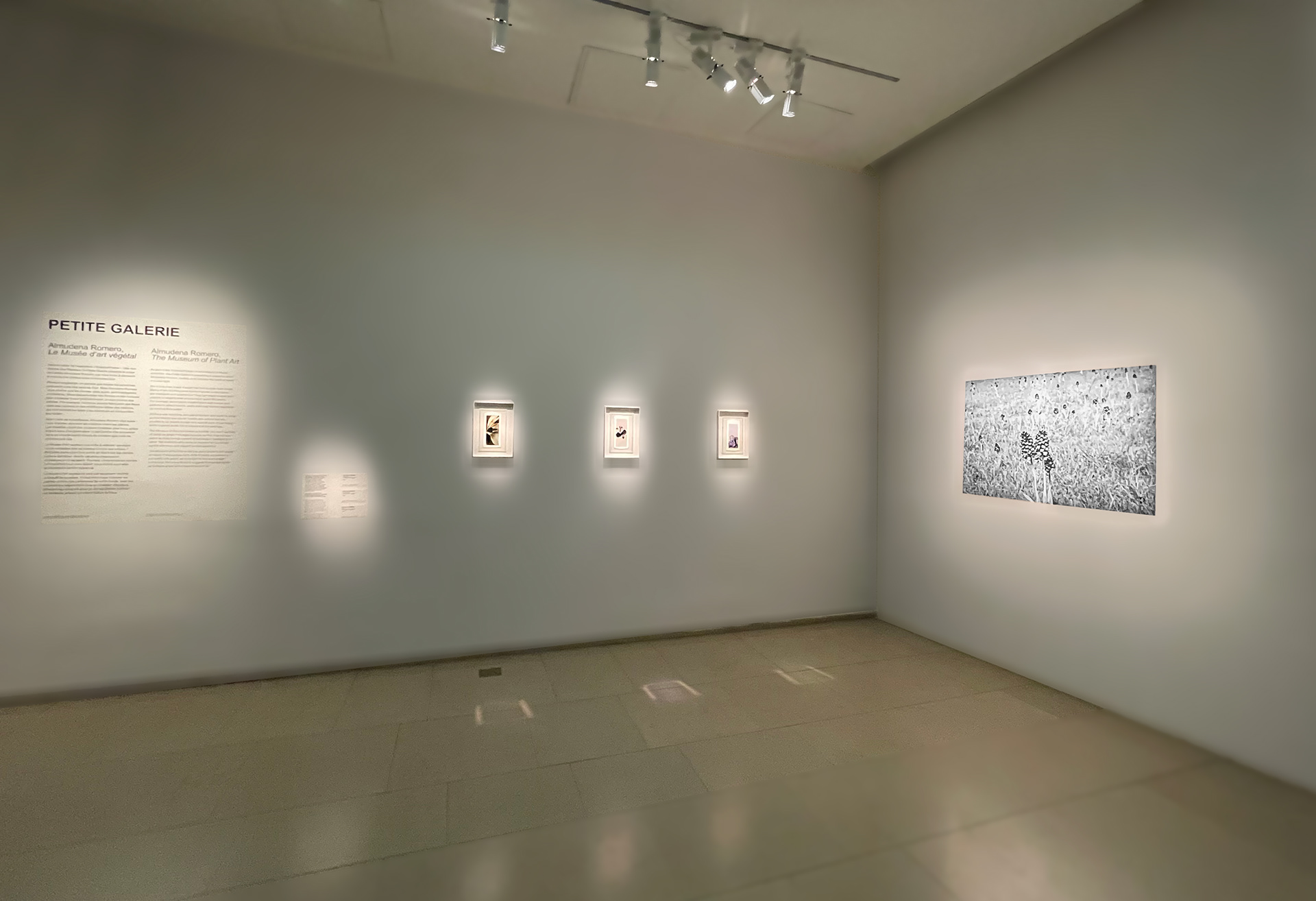
Maison Européenne de la Photographie Science/Fiction — A Non-History of Plants

Maison Européenne de la Photographie Science/Fiction — A Non-History of Plants
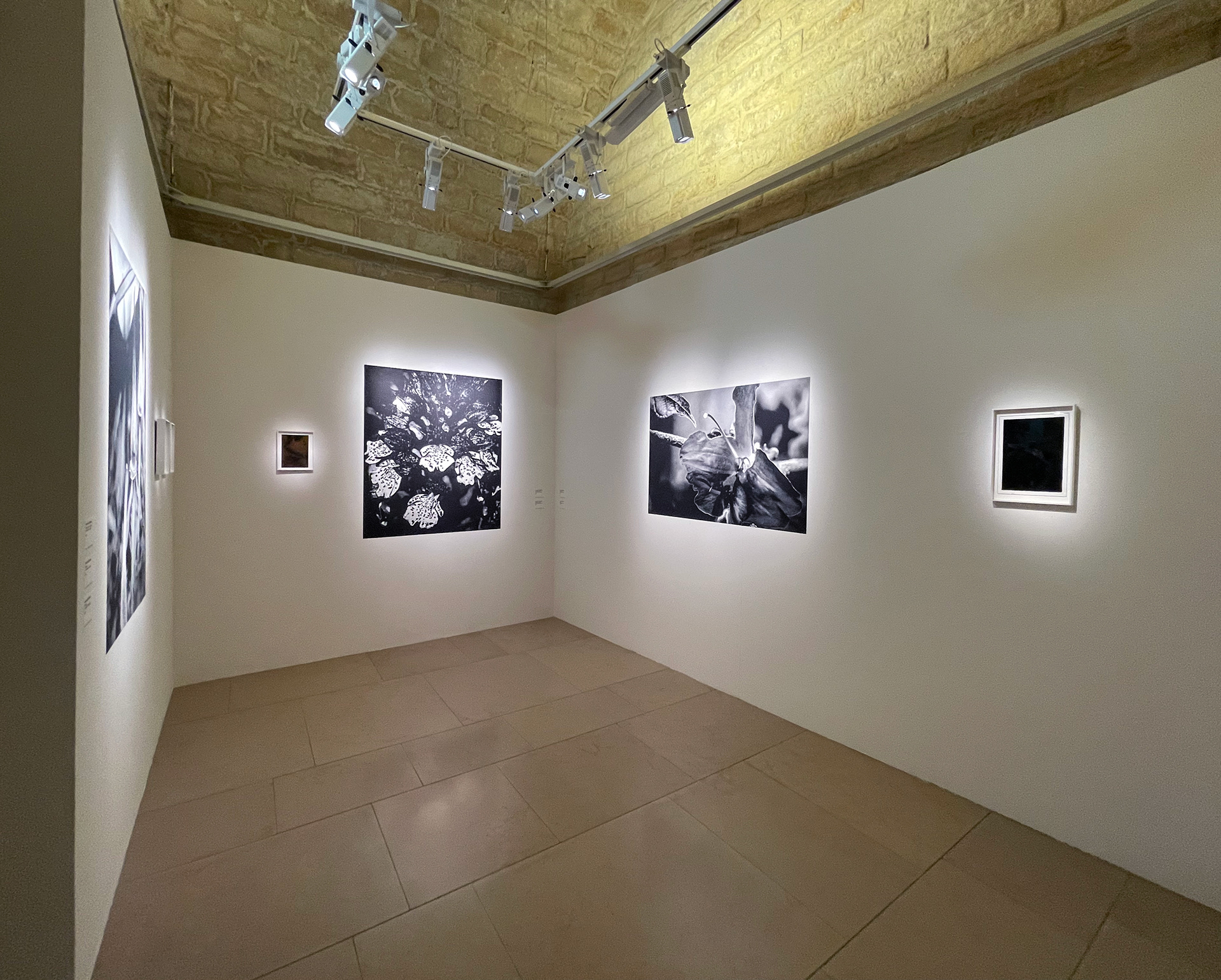
Maison Européenne de la Photographie Science/Fiction — A Non-History of Plants

Saatchi Gallery Flora — Flowers in contemporary culture

Saatchi Gallery Flora — Flowers in contemporary culture
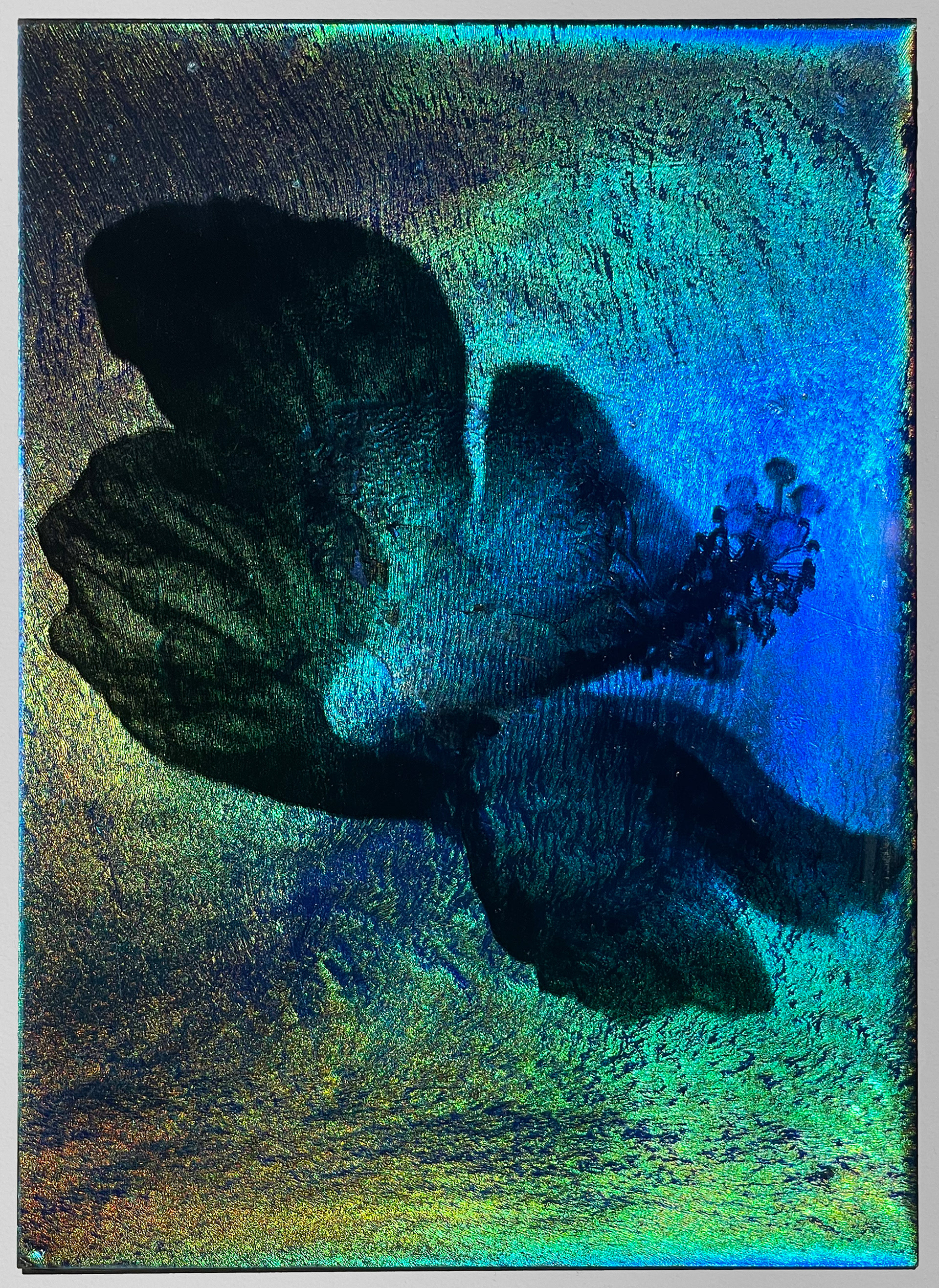
Saatchi Gallery Flora — Flowers in contemporary culture